

How the right car accessories reduce driver fatigue and improve safety
Long traffic jams and highway drives can leave you stiff and tired. Every bump and hour behind the wheel adds up. But small car accessories can make a big difference. The right gadgets boost comfort and alertness on the road. They also cut down on distractions and clutter – so you stay focused on driving. Studies even link driver fatigue to about 10–20% of crashes(pmc.ncbi.nlm.nih.gov). With simple upgrades, you can beat that fatigue and drive safer.
Neck Support Cushions (Neck Rests)
Tired of waking up with a stiff neck after your commute? Your car’s stock headrest isn’t built for comfort. In fact, one analysis found that most headrests “force your head up and strain your neck”. In other words, standard seats tilt your head forward, leading to neck fatigue. Over long drives this adds up – sitting for hours “distorts the natural curves” of your spine and makes neck muscles spasm(njpcs.org).
A car neck pillow fixes this. It cradles your cervical spine so your head stays aligned. Look for one that “supports the neck without forcing the head forward”. That way you stay upright instead of slumping. Memory-foam pillows are popular because they adapt to your shape, filling the gap between your shoulders. Fiber-filled or ergonomic models (with extra wings) are also common. Some even inflate to customize the firmness.

- Types of neck pillows: Memory foam, polyester (fiberfill), inflatable, or molded ergonomic shapes.
- How to choose: Match pillow height to your seat. Taller seats need taller pillows. Ensure it doesn’t block the built-in headrest or push you too far forward.
- Install & Adjust: Slip the pillow over your headrest posts and tighten the strap. The top of the pillow should be roughly at your eye level and the back of your head should rest into it. (Rule of thumb: keep your head just a bit forward of the headrest to prevent whiplash.)
- Do’s & Don’ts:
- ✅ Do keep your seatback upright enough so the pillow can support your neck.
- ✅ Do use a thick pillow – it’s supposed to slightly tilt your head forward (about 20°) for proper support.
- ❌ Don’t use a pillow so fluffy that your head falls backward or so slim that it bends your neck too far forward. It should cradle, not pinch.
- ✅ Do keep your seatback upright enough so the pillow can support your neck.
- Maintenance: Many neck pillows have removable covers. Wash them regularly (dust and sweat can collect). Air out foam pillows occasionally to prevent odor.
Who benefits? Everyone behind the wheel. Daily city commuters get relief from stop-start jerks. Cab drivers and delivery folks sleeping (briefly) while parked get better naps. Seniors and anyone with arthritis will find their neck strains eased. Even kids in the backseat can use a headrest pillow (attached to the seat headrest) for comfort. (Internal link: See our guide on choosing the best car neck pillows for 2025.)
Lumbar Support Cushions (Back Rest)
Ever feel a stabbing lower-back pain after an hour on the highway? That’s common with flat, unsupported seats. In fact, long drives “distort your spine” and cut off circulation, causing your back muscles to knot and ache. A lumbar support cushion (back rest pillow) fixes this by propping up the natural S-curve of your spine.

- Why they help: Lumbar pillows push into your lower back. This targets the natural curve, “relieving tension” in tight muscles. With the right support, you “keep your back straight and your shoulders relaxed,” so you arrive less achy and tired. Over time this can also boost blood flow to your legs and prevent numbness (sitting hunched can pinch nerves).
- Types: Some are contoured (with a raised bump for the small of your back); others are flat panels. Look for adjustable straps to stay put and breathable material (mesh or ventilated foam) to avoid sweat.
- Setup: Strap the pillow around your seat so the thickest part presses into your lower spine. Sit back so the cushion fills the gap. You should feel it encourage you to sit more upright. Adjust height until you feel firm support at your lumbar (lower back).
- Traffic Jams & Long Trips: In crawling city traffic or on long highway drives, a back cushion stops you from slumping. You’ll notice fewer wiggles in your seat and less need to stretch every few minutes. Drivers who pair a neck pillow and lumbar cushion get full spine support for hours on end.
- Maintenance: Wipe or vacuum it weekly (crumbs collect easily). If it has a cover, wash it on a gentle cycle.
Real-life difference: Imagine your commute before: you slump, shoulders tense, and after 30 minutes your lower back aches. Now add a lumbar pillow: suddenly you sit taller, your back feels cushioned, and after the same drive you feel ready to move.
(Internal link: For posture tips, check our article on car seat ergonomics and cushion combos.)
Car Dustbin (Trash Can)
Do wrappers and used napkins have you cringing? In daily drives or road trips, trash piles up fast. A flip-top tissue or straw can end up behind the seat – perfect for odors and stains. That’s why an in-car dustbin is essential. It keeps garbage contained so you won’t have to fish wrappers from cupholders or underfoot.
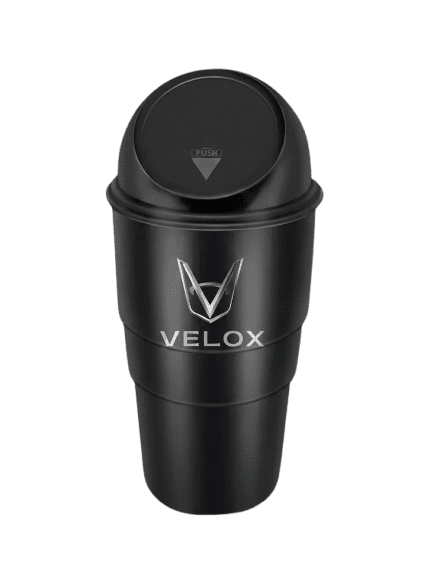
- Why it matters: According to driving accessory experts, cluttered cabins increase stress. A small bin “can be the difference between a tidy ride and a daily disaster zone”. Even better, using a lined bin (with a plastic bag or removable cup) “prevents long-term stains and odors”. This is huge when kids spill juice or if you leave a banana peel behind.
- Types of car dustbins:
- Hanging bin: Clipped to the back of a seat or headrest. Good for rear passengers.
- Cupholder bin: Fits in the console or cupholder. Handy for driver or front passenger.
- Floor bin: Stands on the car floor (often between seats or in the footwell). Usually larger, with a lid.
- Collapsible bin: Fabric or plastic pouches that fold flat when not in use. Great for tight spaces.
- Hanging bin: Clipped to the back of a seat or headrest. Good for rear passengers.
- Placement: The bin should be within easy reach. In sedans, a hook on the passenger seat’s back or in the central console works. In SUVs, you might tuck a small bin in the door pocket or under a seat. (In hatchbacks, clip it to a back seat or the spare tire cover.) The key is you can toss trash without turning around.
- Usage tips: Line it with a cheap grocery bag or trash bag for easy cleanup. Empty it every day or two – a full bin breeds odors fast. After rainy drives in monsoon season (especially relevant in cities like Mumbai or Delhi), wipe it dry to prevent mildew. Keep a small air freshener or a pinch of baking soda at the bottom to absorb smells.
- Keep interior hygienic: Use the bin in tandem with tissues and hand sanitizer. For example, after a snack with your kids, toss crumbs or wrappers in the bin and reach for a tissue or wipe. A tidy car is a calmer car – studies note a clean cabin leads to “a calmer, happier commute” and better mental focus.
In short: invest in a tiny trash can. Your car will look newer, smell fresher, and you’ll spend less time cleaning.
Car Perfumes & Air Fresheners
Can a scent really help? Absolutely. Pleasant aromas can lift your mood and sharpen focus on the road. Smells connect directly to the brain’s emotion centers, so the right fragrance can reduce stress or even relieve drowsiness. In fact, research shows that in-car scents significantly reduce driver fatigue and negative feelingspmc.ncbi.nlm.nih.gov. One study found that releasing a gentle fragrance continuously “significantly reduced drivers’ subjective fatigue” and boosted feelings of vigor. In plain terms: a sniff of the right scent can wake you up and keep you calm.
A well-chosen car scent – whether a hanging card, vent clip, or diffuser – can subtly boost alertness and mood.

- How scent affects you: For example, peppermint scent is known to reduce anxiety and increase alertness. Citrus aromas (lemon, orange) similarly reduce stress and help keep you awake. Pine or fresh forest notes clear the mind and improve concentration. Lavender or vanilla are calming (great for anxious passengers), though too much lavender might make you sleepy. Choose your fragrance like you would coffee – pick what energizes you without overpowering the cabin.
- Types of car air fresheners: There’s no shortage of formats.
- Vent clips: These fasten to your A/C vent and release scent as air blows. They give even coverage and often have an adjustable dial for intensity. (For example, a wooden vent diffuser uses natural oils and distributes fragrance gently when air flows.)
- Hanging fresheners (“dangler”): The classic paper tree or cardboard shapes. They’re cheap and come in many scents, but usually fade within a week or so. Make sure they don’t block your view if hung too low.
- Gel containers: Small plastic pots of scented gel that sit in a cupholder or console. They slowly evaporate for long-lasting scent (some last a month or more) and have no risk of spilling.
- Sprays: Good for an instant refresh. Spritz them after you park or to quickly mask a spill. You can use them on upholstery or air. But sprays act fast and fade quickly, so you’ll reach for them often.
- Plug-in diffusers: These plug into the 12V/USB port and diffuse a steady fragrance. They tend to be consistent and potent, but you need a power source.
- Natural odor absorbers: Charcoal bags, baking soda, or scent beads don’t add fragrance but neutralize bad smells. A combo approach is best: absorb mustiness while your chosen scent provides the pleasant aroma.
- Vent clips: These fasten to your A/C vent and release scent as air blows. They give even coverage and often have an adjustable dial for intensity. (For example, a wooden vent diffuser uses natural oils and distributes fragrance gently when air flows.)
- Choosing the right scent: Families with kids often prefer mild, fresh scents like cotton blossom or light floral so it’s not overwhelming. Solo commuters might opt for citrus, peppermint or citrus-woody blends for focus. Cab drivers or frequent travelers should pick something subtle (maybe bamboo or green tea) so it lasts long and doesn’t fatigue the nose. For long highway trips, invigorating scents (like citrus or mint) can combat monotony, while city jam sessions pair well with calming scents (like vanilla or sandalwood) to ease road rage.
- Safety & tips: A little goes a long way. Avoid overpowering fragrances – drift warns that many synthetic fresheners contain VOCs that can cause headaches or irritation. If anyone in the car is sensitive, go for natural oils or a mild scent. Clip hangers or gels out of reach of kids to prevent spills. And always secure vent clips or diffusers so they can’t fly around in a sudden stop.
- Make scents last: Keep the cabin clean so you’re not just masking odors – dirt, food crumbs and mustiness shorten a freshener’s life. Replace hanging air-fresheners monthly (or when the smell fades). For vent clips and gels, moderate the intensity dial or remove them when the cabin gets too strong. Wipe dust off vent diffusers once a month so air flows freely.
In short, the right perfume or freshener can transform the mood in your car. It’s one more way to feel refreshed behind the wheel. (External link: For more on cabin air and health, see EPA guidelines on in-vehicle air quality.)
Slow-release gel fresheners and vent diffusers can keep the cabin smelling nice for weeks with minimal effort.
Tissue Holders
Sneeze, spill, or a little one in need of a wipe? Tissues are crucial on any trip. But loose boxes and piles of napkins make a mess (and distract you). That’s where a car tissue box holder shines – it keeps tissues handy and your interior tidy.

- When you need it: On a long drive, someone spills a chai on the console. Your toddler has a nosebleed. You remove makeup after work. Without tissues, you scramble. A mounted tissue box means a quick grab and less time with eyes off the road.
- Types of holders: Tissue cases come in all spots. You can clip one to the sun visor or grab handle, mount it on the dashboard, attach it to the back of a front seat, or even a center armrest. There are even holders made for cup-holders or consoles. Pick a style that suits your car’s layout and where it’s easiest for the driver (and passengers) to reach.
- Convenience & safety: AutoFurnish notes that a holder “is a compact solution to store tissues in a car to help … avoid creating a mess or spilling food”. Plus, it’s safer: instead of hunting under seats, you can grab a tissue with a glance or reach – no fumbling. As they say, having a box on the dashboard or visor means “there’s no point in putting yourself in danger while driving” looking for one.
- Hygiene routine: A tissue holder also promotes a clean habit. After spraying sanitizer on your hands, you’ll naturally toss the wipe in your trash bin. Or if someone sneezes, that germ-laden tissue goes straight into a covered bin (not on the seat). Use tissues in tandem with your in-car sanitizer and dustbin to keep passengers from wiping hands on seats or windows.
- Choosing one: Size matters – pick a holder that fits a standard tissue box without bulging. Materials range from sleek plastic to padded faux leather. A smart, neat holder can even make your car’s interior look more premium. Some designs offer a dispensing slot – you pull one sheet at a time without opening the case (like high-end home tissue boxes).
- Refill & care: Keep it stocked. Check every few days and slide in a fresh box before you start a long journey. Wipe the outside regularly so dust or sticky fingers don’t coat it.
A tidy tissue box is a small luxury that makes every drive cleaner and more convenient. (Internal link: Interested in cabin organization? See our post on must-have car organizers.)
Conclusion
Don’t wait for fatigue to catch you off guard.
A few well-chosen car accessories can completely change how you feel behind the wheel.
A properly designed neck rest for car and lumbar support for car help maintain posture, reduce muscle strain, and keep pain from building up during long commutes.
👉 Explore our ergonomic car accessories designed for comfort and posture
A compact dustbin for car and a neatly placed tissue box for car keep your cabin clean, organized, and distraction-free—especially during daily office drives or family road trips.
👉 Upgrade your drive with smart car accessories for cleaner interiors
And the right car perfumes do more than make your car smell good.
They help calm stress, improve focus, and keep you mentally fresh in traffic or on highways.
👉 Discover car accessories that enhance comfort and driving experience
When comfort improves, focus sharpens.
When focus sharpens, safety follows.
Start small.
Add one or two essentials.
And build a driving setup that works with your body—not against it.
Your next safer, more comfortable drive begins with the right car accessories.
Frequently Asked Questions (FAQs)
Q1. Does using a dedicated car neck rest truly reduce driver fatigue on long highway trips? A: Yes, absolutely. Driving fatigue is often rooted in physical strain. A good neck rest for car supports the natural cervical curve of your spine. By easing tension in the neck and shoulder muscles, it helps daily commuters and long-distance drivers maintain correct posture . This reduced physical effort allows you to stay alert and focused for much longer periods.
Q2. Which material for a lumbar support for car is best for the hot, humid Indian climate? A: You must prioritize breathability. While memory foam offers therapeutic contouring, it retains heat, which can cause discomfort in hot environments . For climates like India, look for lumbar support for car cushions featuring highly ventilated materials, such as Airmax™ mesh fabric, or consider a gel-on-foam hybrid for a cooling effect .
Q3. Where should I position my back rest cushion for optimal spinal alignment? A: Proper placement is crucial. The lowest edge of the lumbar support should sit at or slightly above your belt line (the top of your pelvis) . The cushion should fit snugly into the curve of your lower back . This helps maintain the spine’s natural S-curve, distributing weight evenly and reducing pressure on spinal discs .
Q4. I drive in heavy traffic (Mumbai/Delhi). What is the best type of dustbin for car access? A: For heavy city traffic, quick, one-handed access is essential to avoid distraction . A compact, cup-holder style dustbin for car is ideal for small cars or sedans as it takes up minimal space. For larger vehicles or family use, a secured hanging bin attached to the back of the front seat headrest works well for all passengers .
Q5. How can I stop foul odors from my car dustbin, especially during the monsoon? A: Monsoon humidity amplifies bad smells . Always use plastic liners inside your dustbin for car and empty it every two to three days to prevent odor buildup. Proactively fight moisture and smell by placing activated charcoal packets under the seats to absorb excess humidity . You should also ensure regular cleaning of your AC vents, as they are a common source of cabin odor .
Q6. What types of car perfumes help reduce stress during peak rush hour commutes? A: Certain scents can actively regulate your emotions. For high-stress environments like rush hour city traffic, choose soothing fragrances. Lavender, Sandalwood, or Cedarwood are known to calm nerves and reduce anxiety . Citrus scents like Lemon or Orange are also mood boosters that increase focus and alertness .
Q7. Where is the safest and most convenient spot to place a tissue box for car? A: The most convenient spot is the sun visor. A sun visor clip tissue holder allows the driver or front passenger to access tissues with a quick, single motion, minimizing visual distraction from the road . Some vehicles also have dedicated space for a tissue box for car within the center console .
Q8. How does combining a neck rest and a lumbar cushion improve safety? A: Safety improves by maximizing comfort. Integrating a neck rest and a lumbar support ensures full spinal alignment, maintaining the natural S-curve from neck to lower back . This comprehensive ergonomic support drastically reduces the chronic pain and stiffness that cause driver fatigue—a major safety risk .